Eight edits,
one standard
The house releases in small, deliberate drops — cloth first, runs small, nothing rushed past the fitting day. Browse the eight edits below; four open into full house pages here, and every piece is listed at our clothing store.
Outerwear
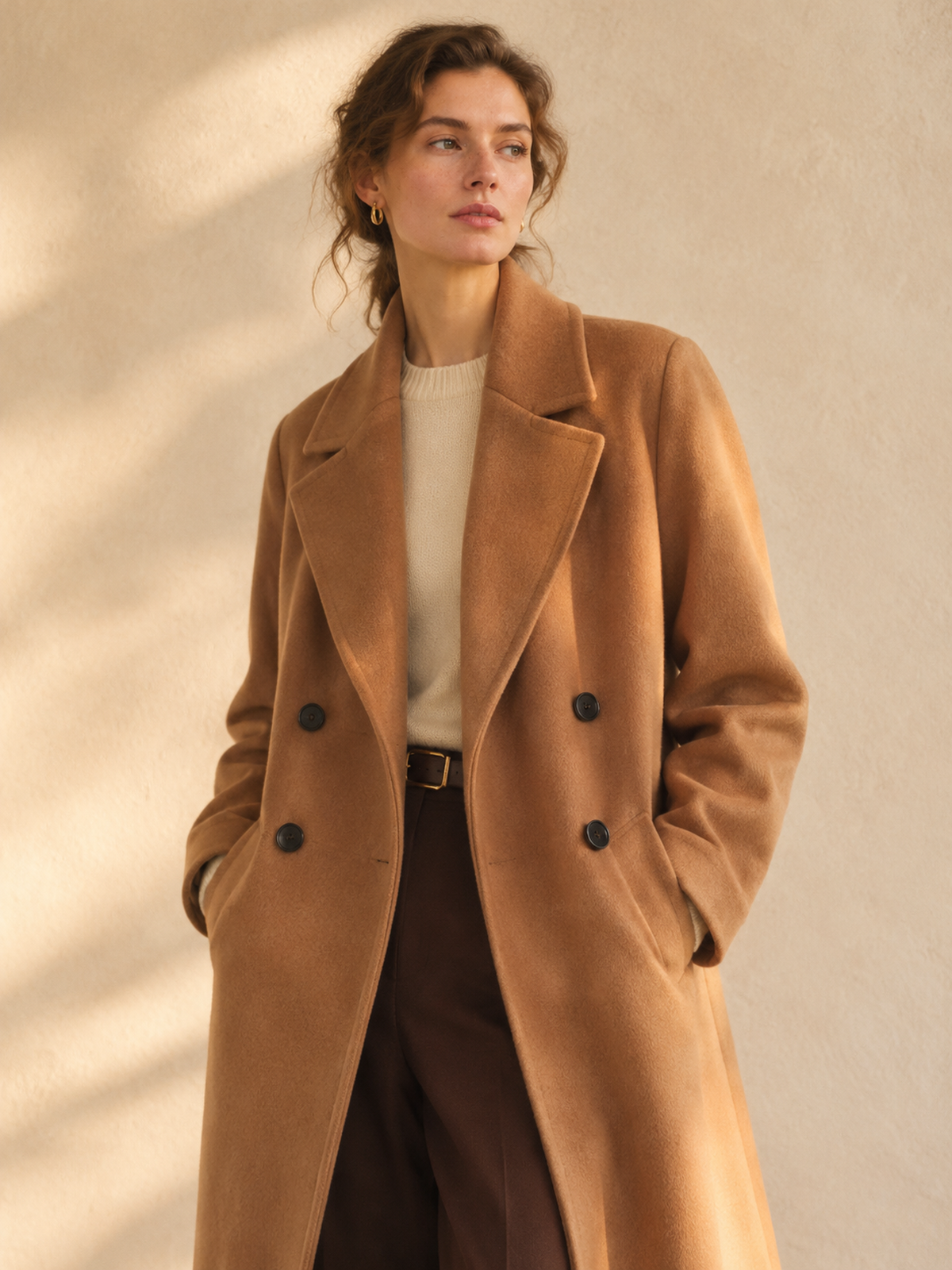
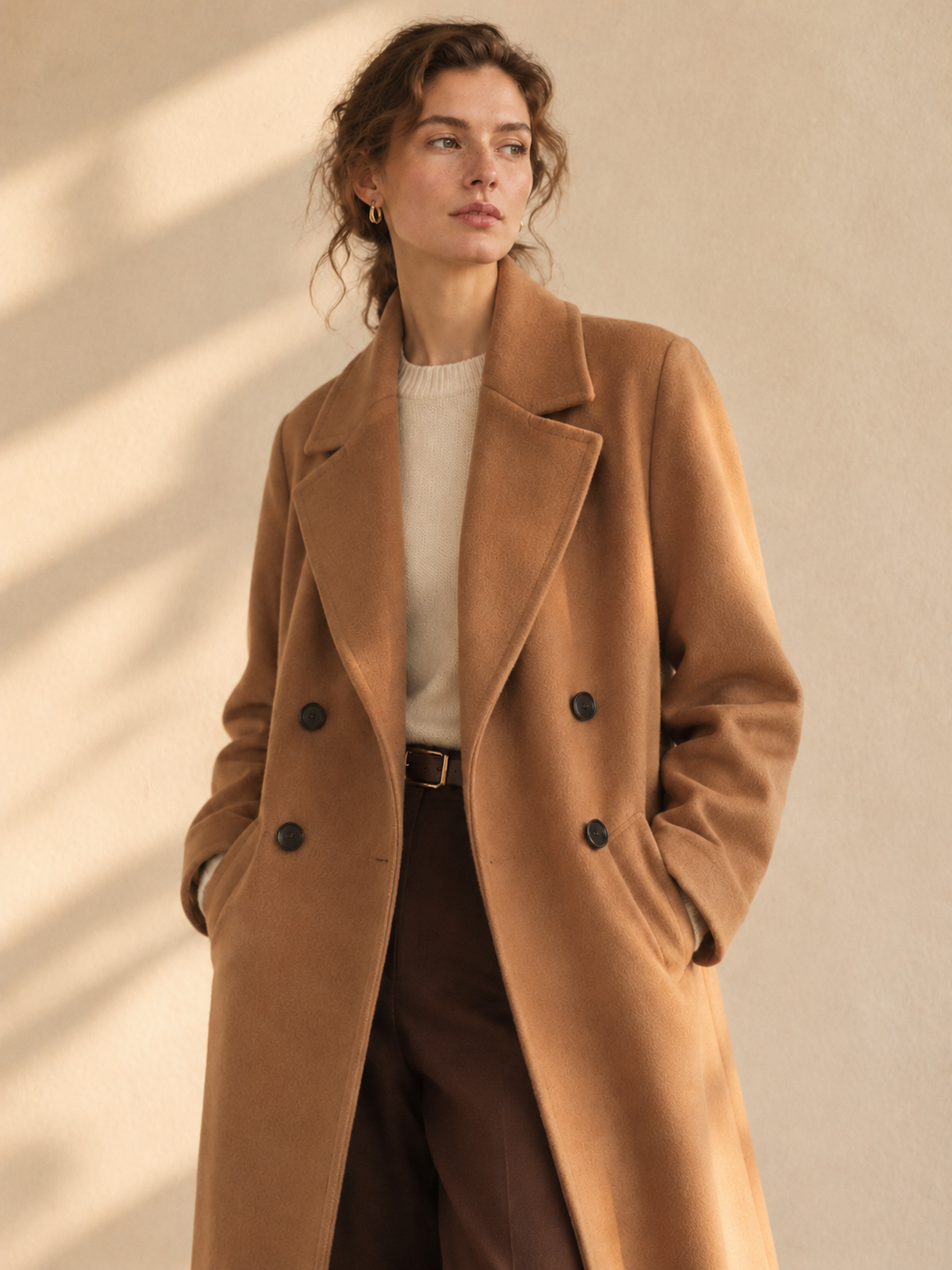
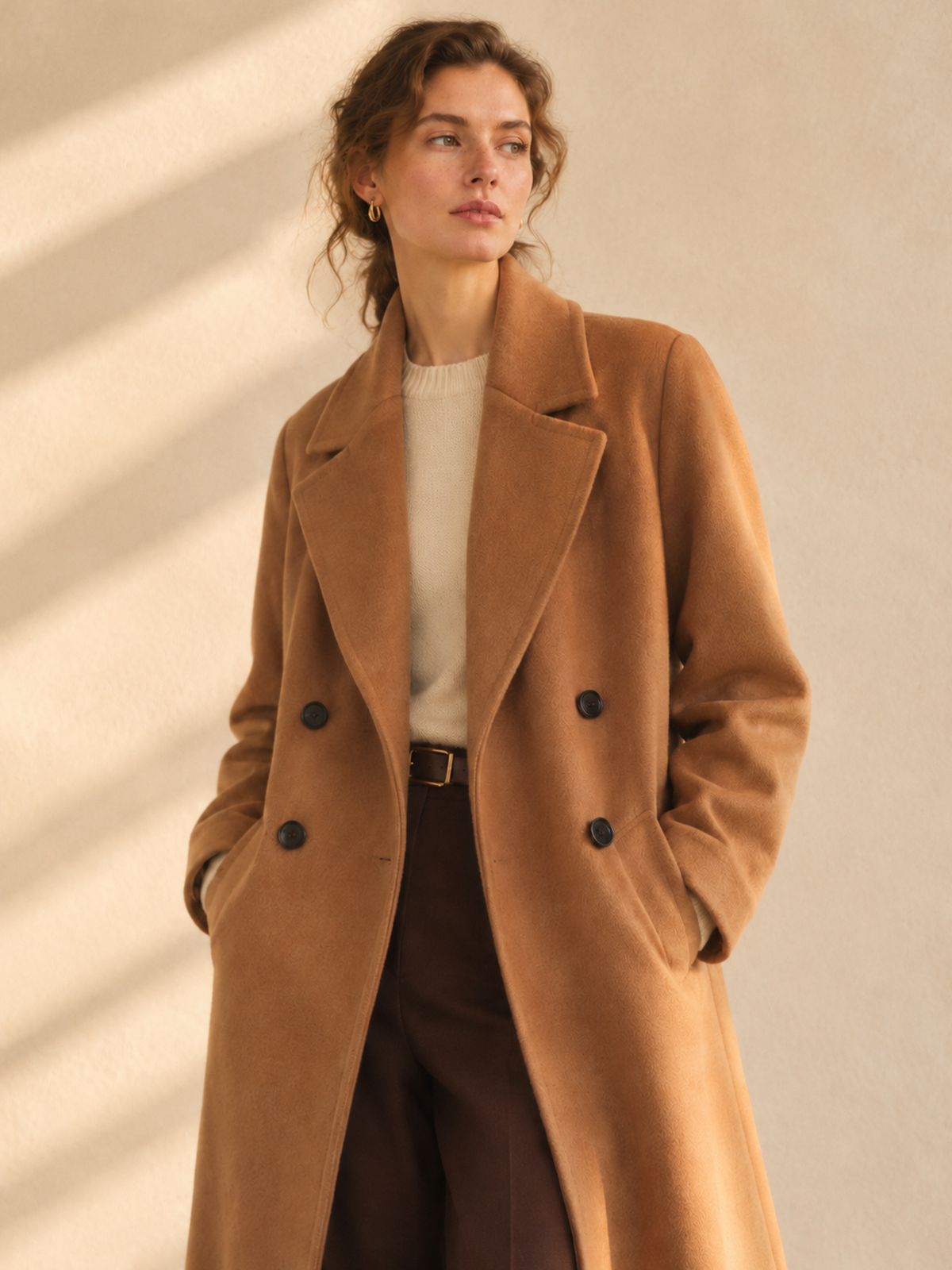
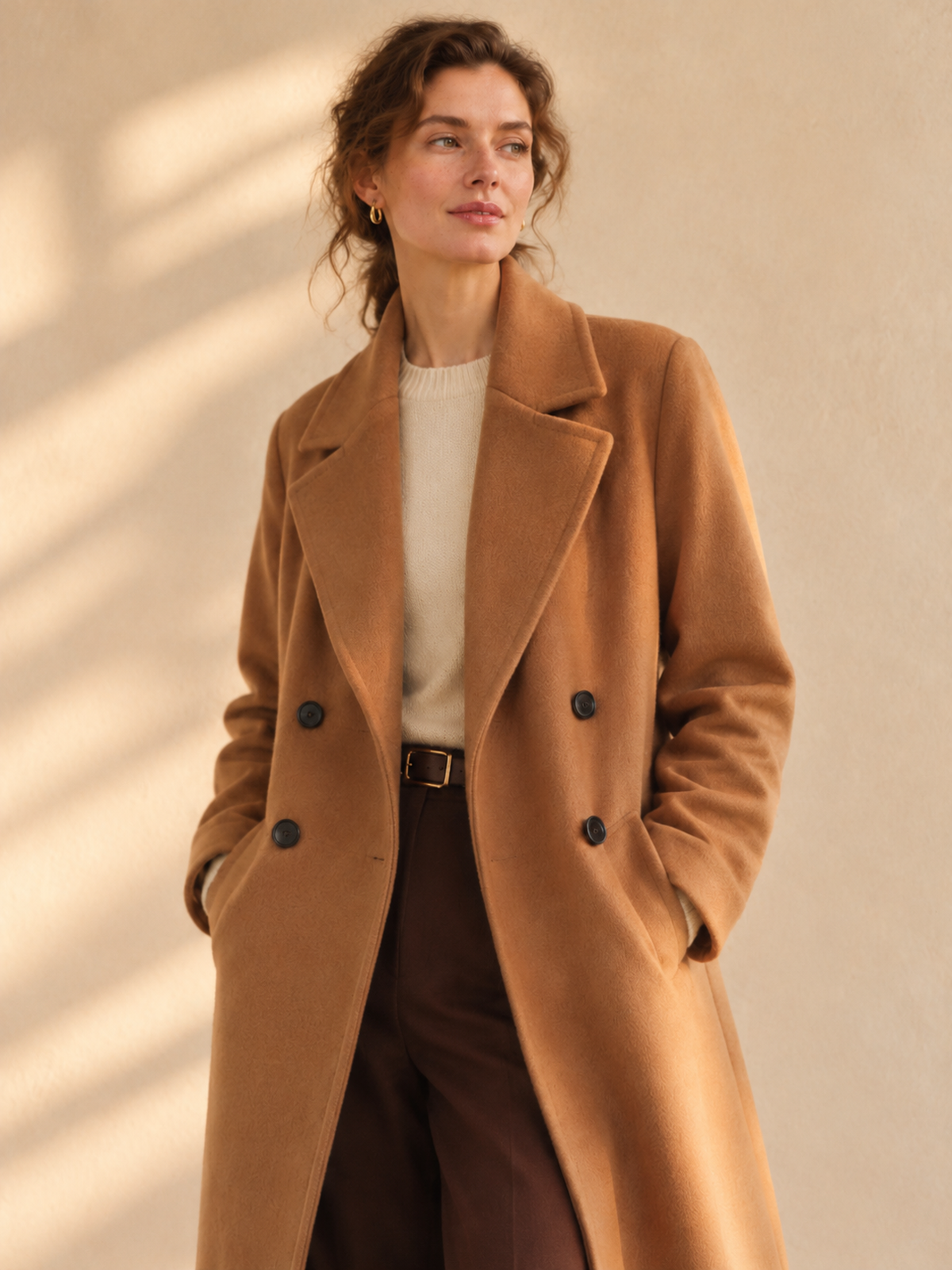
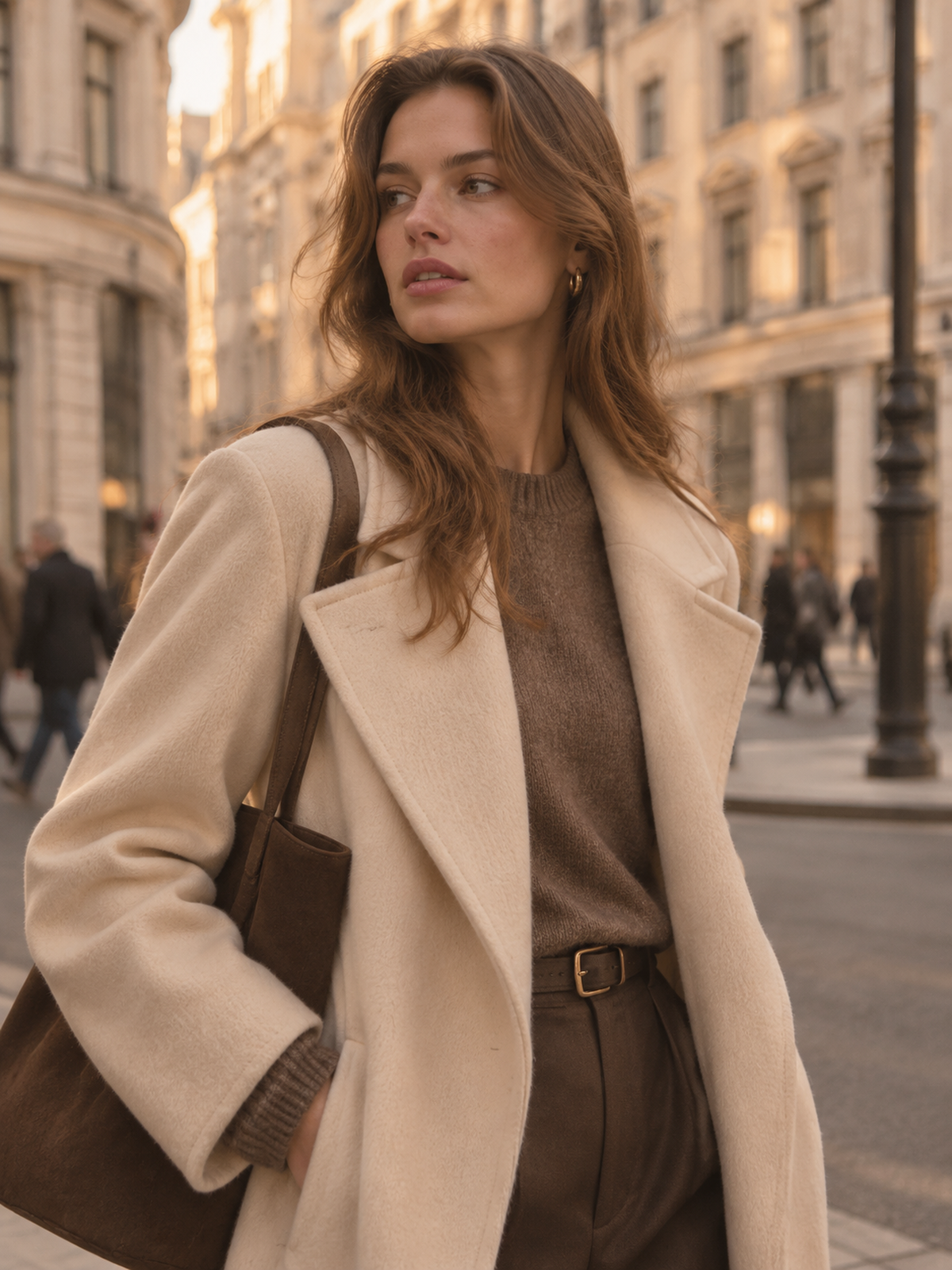
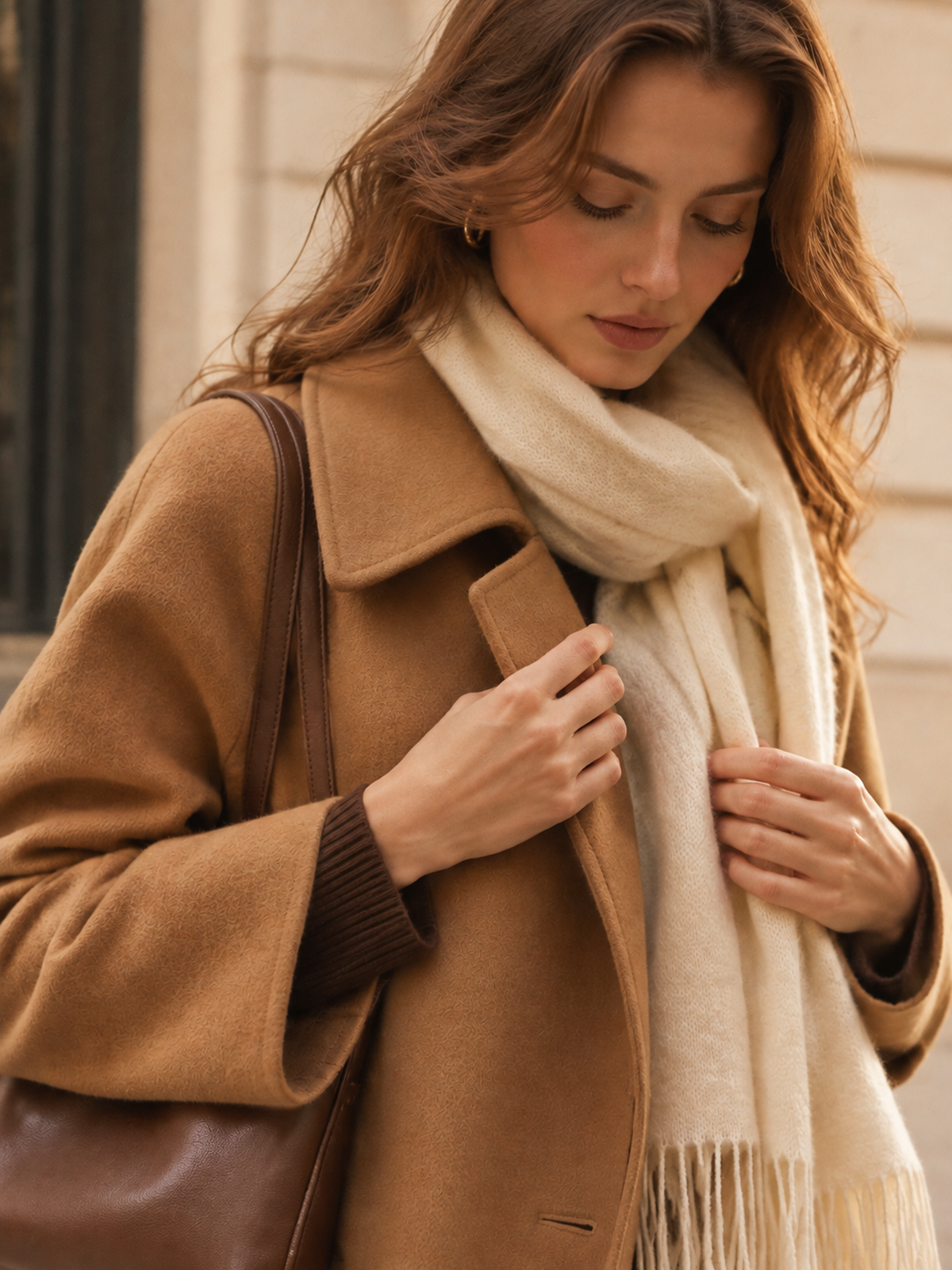
The edit that opens the season. Three coats, one block, three temperatures of intention: the camel double-breasted with a shoulder that holds its line over knitwear, the cream single-breasted in a softer pressed wool, and the chocolate overcoat for the back half of winter.
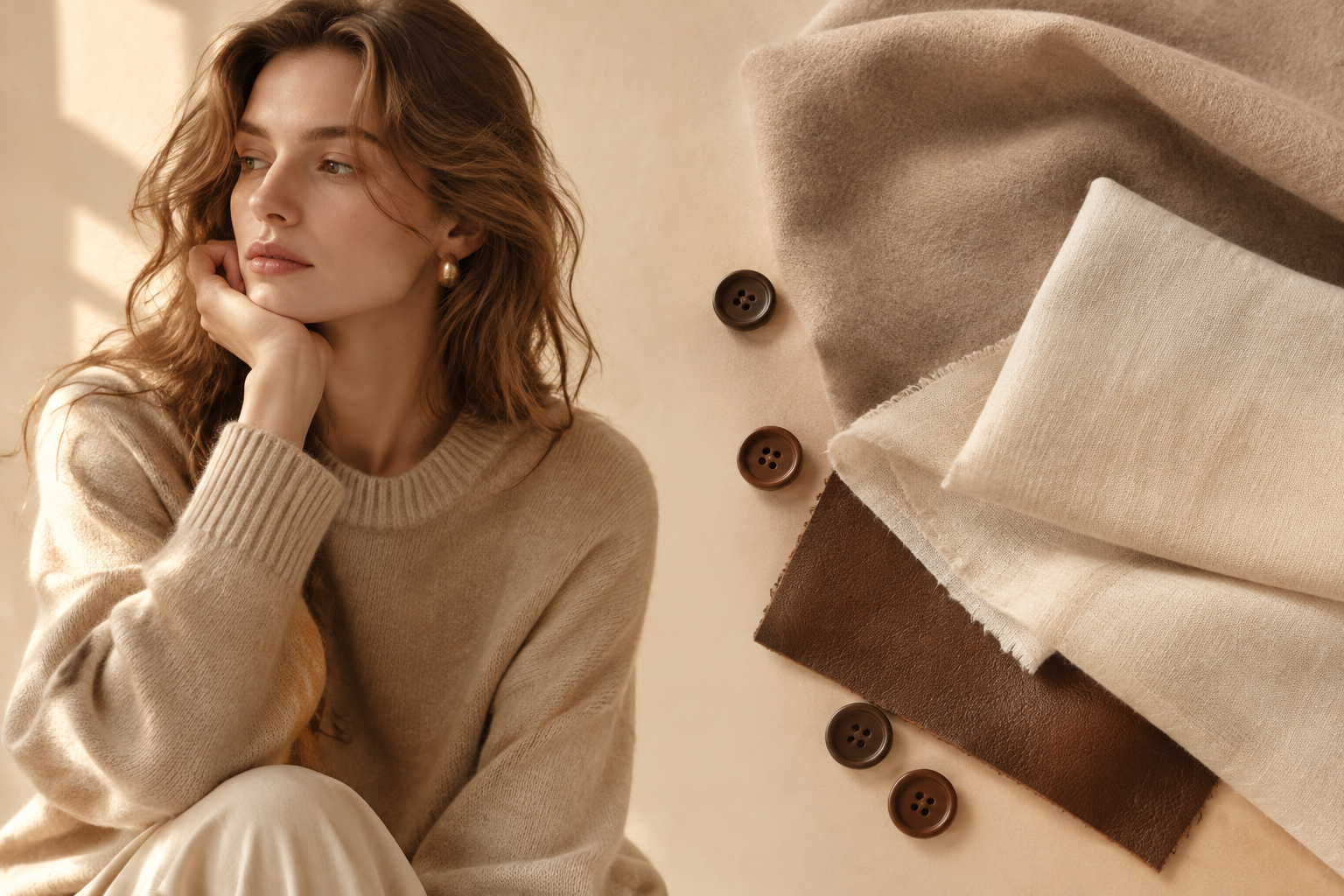
The cloth is a pressed wool from a mill we visit in person — tailored across the street, broken-in by the second wear. Lapels cut to sit open at the collarbone; pockets placed where hands actually go.
Cut long through the body and lined to survive the coat-check carousel. When the camel sells through — and it does — the piece rests until the cloth returns.
Knitwear
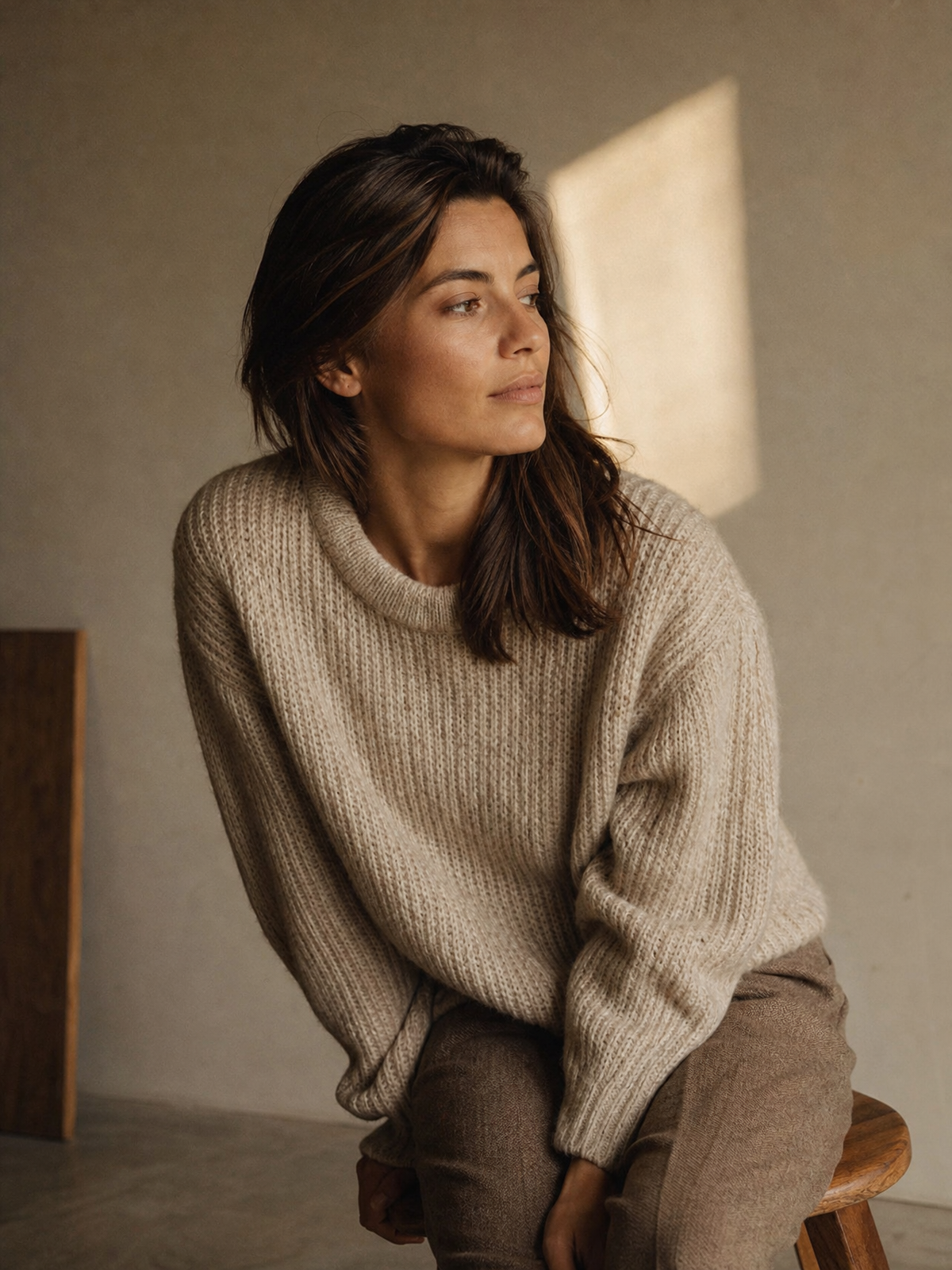
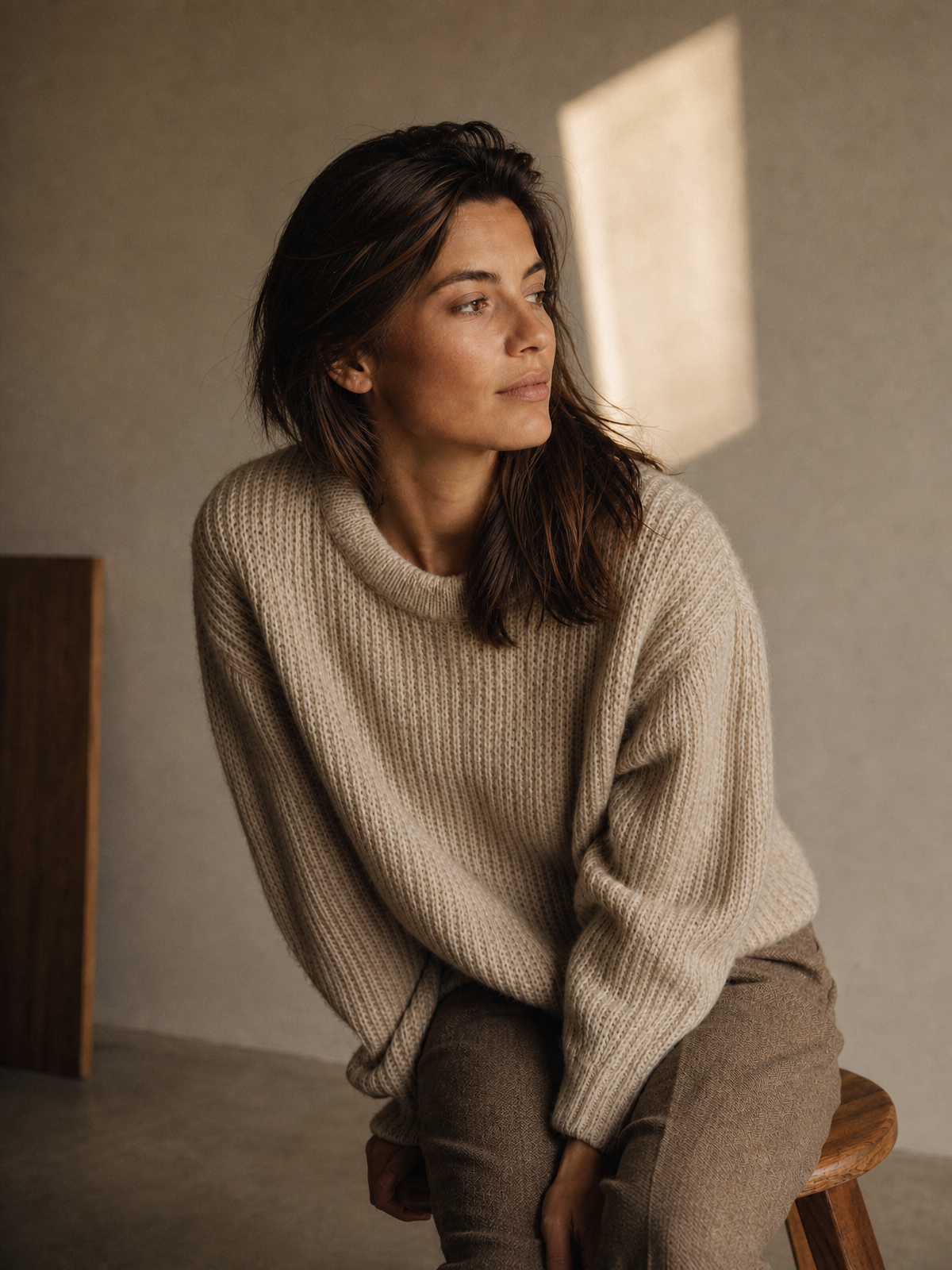
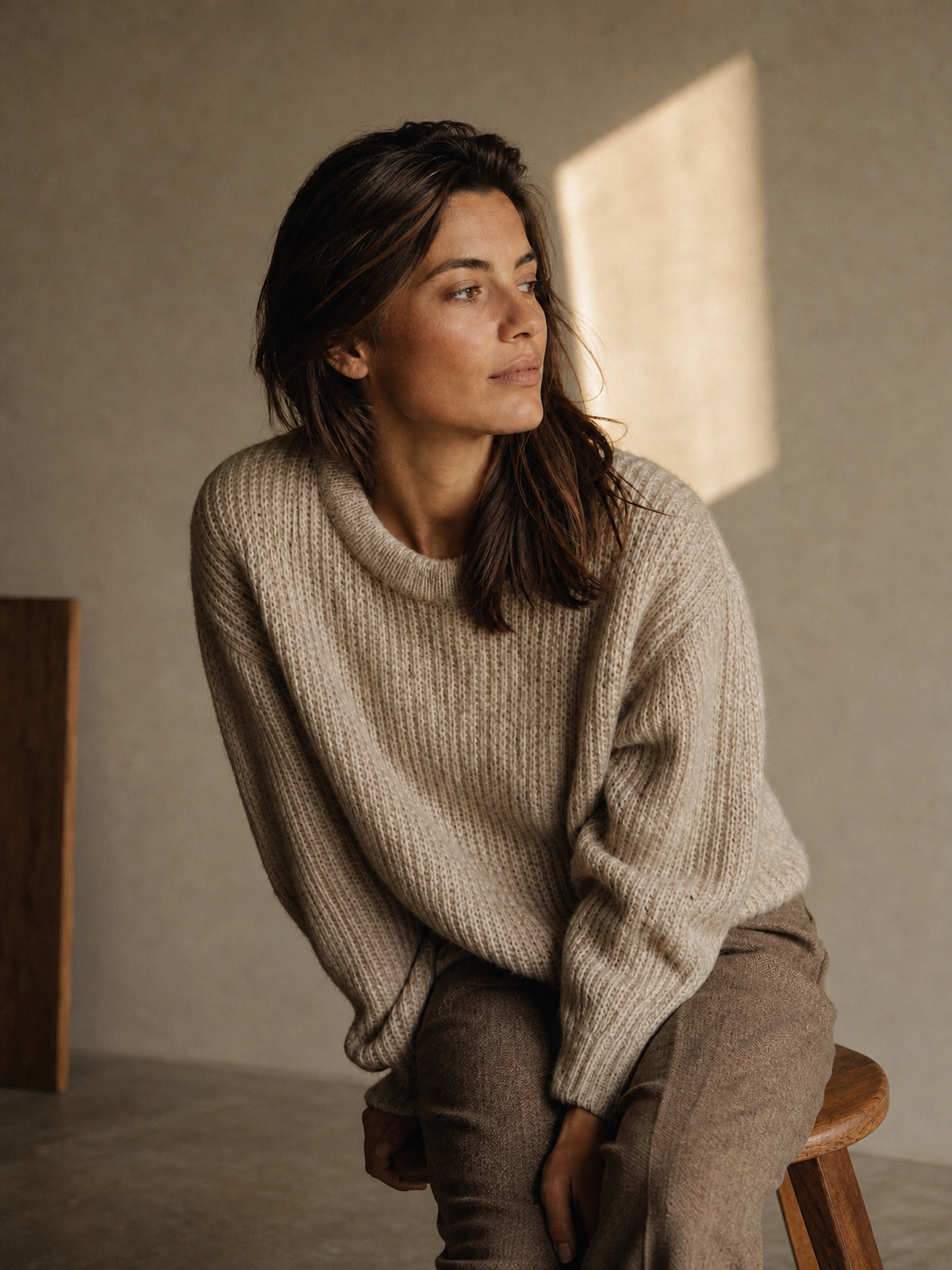
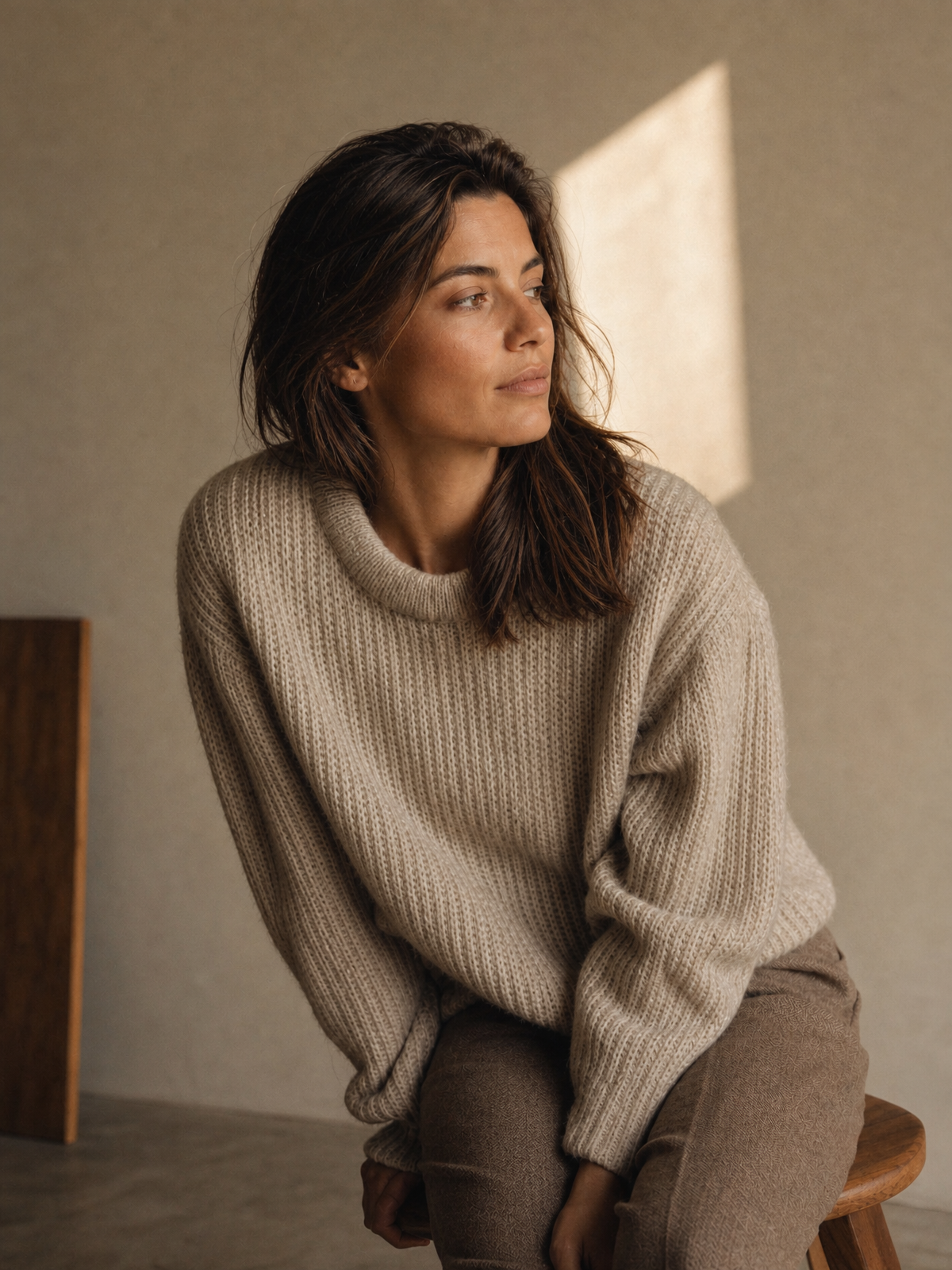
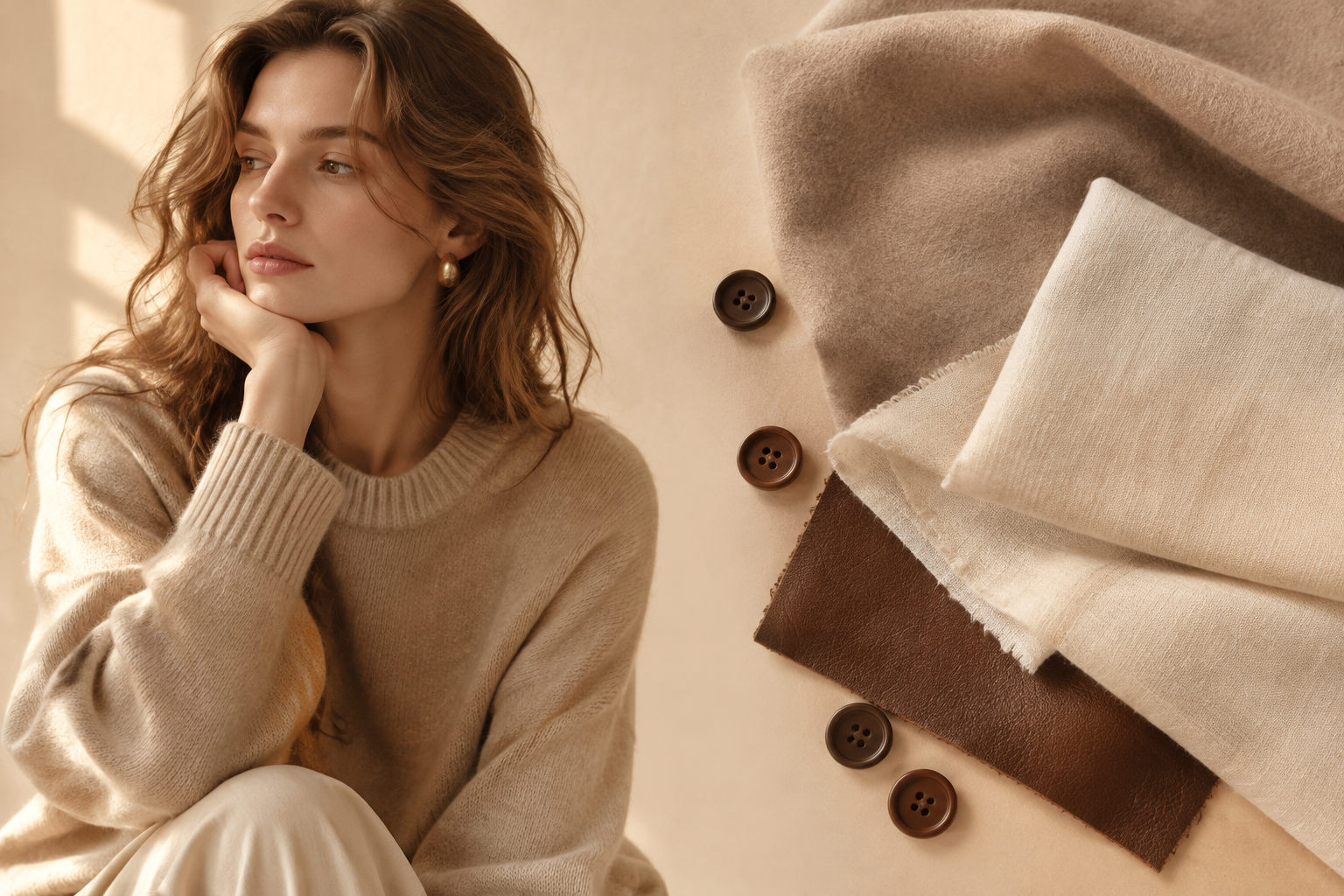
Knitted for month three, not day one. The oatmeal chunky crew is knitted from undyed lambswool — the colour is the flock’s decision first — and the gauges are chosen so the fabric keeps its structure past February.
Alongside it, a ribbed chocolate knit dress that answers the office-to-evening question without a costume change, a fine-gauge cream layer for the in-between weeks, and a half-cardigan stitch jumper whose collar took three patterns to get right.
Hems are finished so a loose cuff is a repair, not a funeral. Air after wear, fold rather than hang, wash cool — the knit asks for less than you think.
Tailoring
Structure where it counts, ease where it lives. The cream suit is cut relaxed through the body and precise through the shoulder — the combination that lets you take the stairs two at a time and still look decided when you arrive.
Designed as a set, sold as separates: the blazer lands over denim, the wide trouser carries a knit through the week. One purchase that behaves like four.
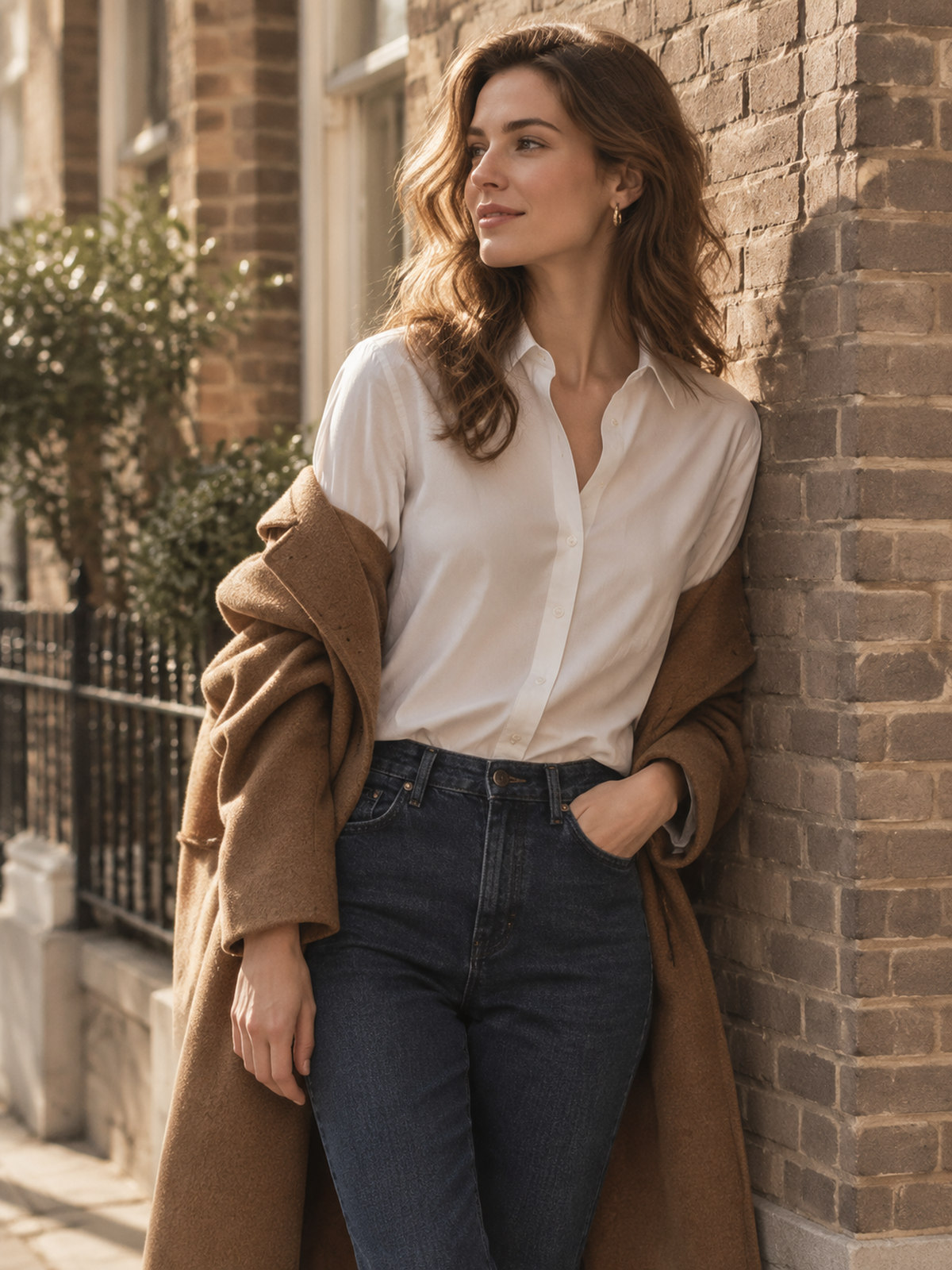
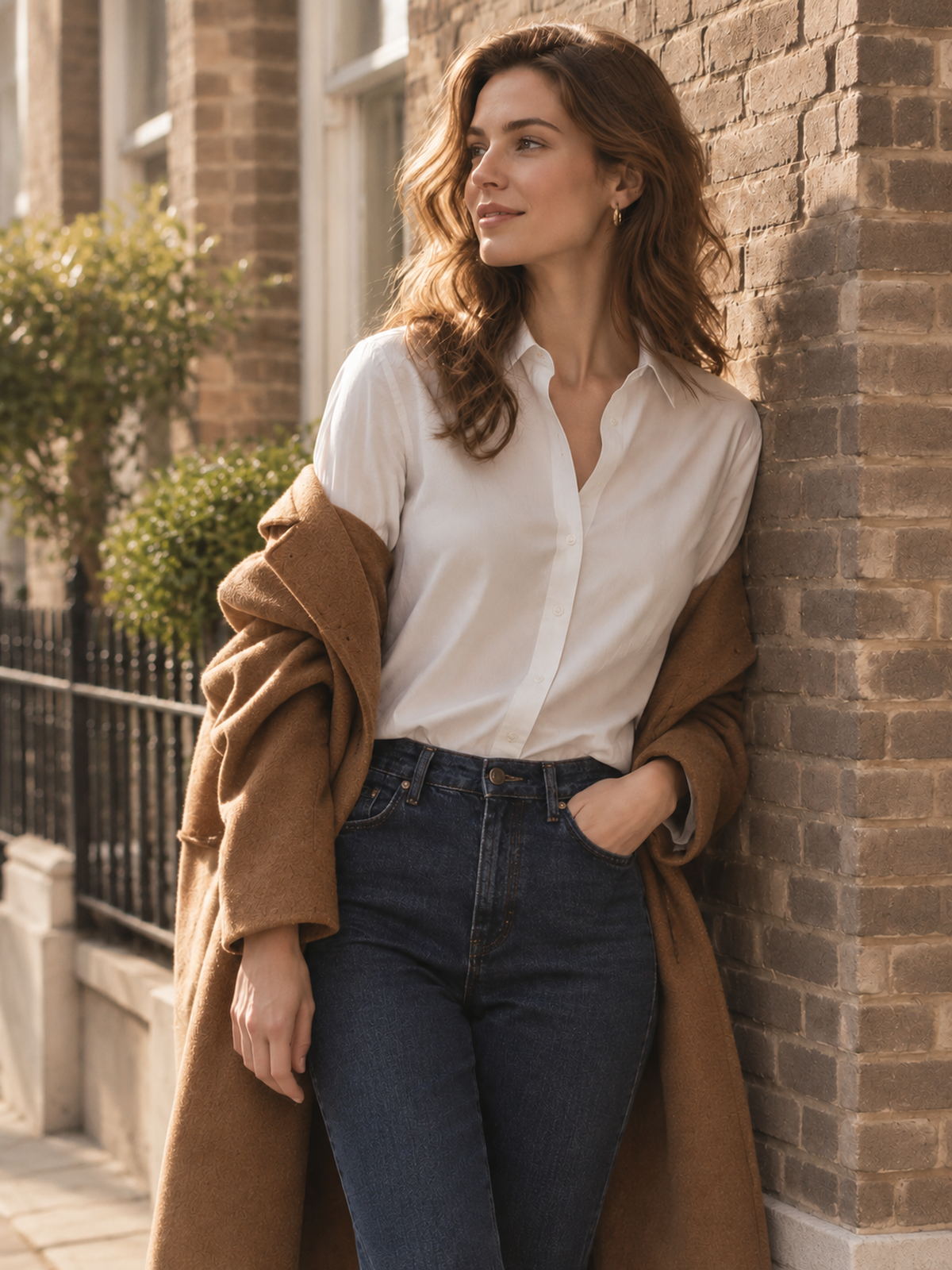
Beneath it, a quietly hardworking shirting story — the long-cut white poplin that tucks with intention or hangs loose with indifference, and a soft-collared blouse in the same cream for days that should read as one thought.
Denim & dresses
The floor note of the wardrobe. The denim is a straight-leg indigo in a 12.5oz Japanese-milled cloth that softens at the knee before it gives up anywhere else — no distressing, chain-stitched hem, proper rise.
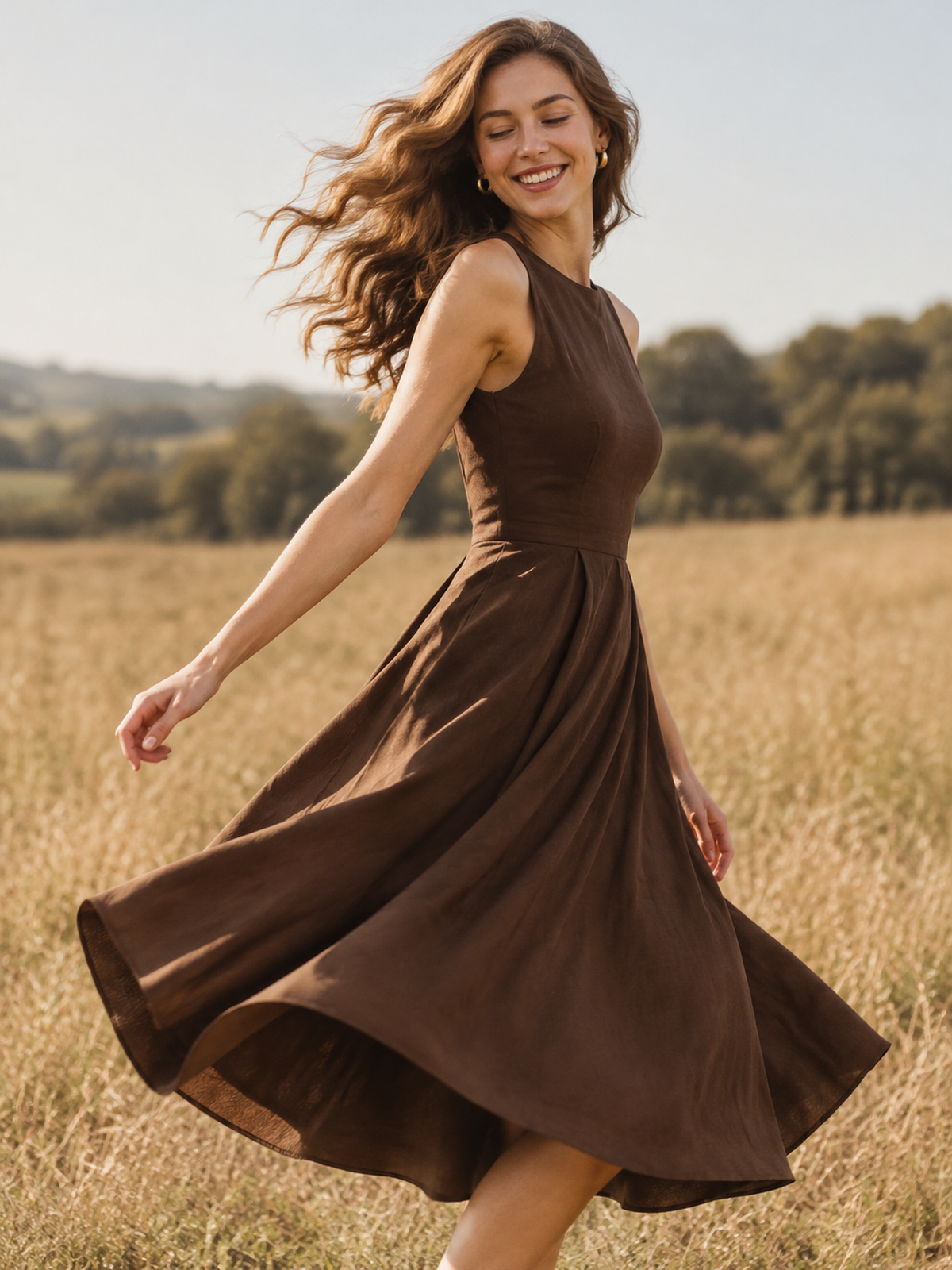
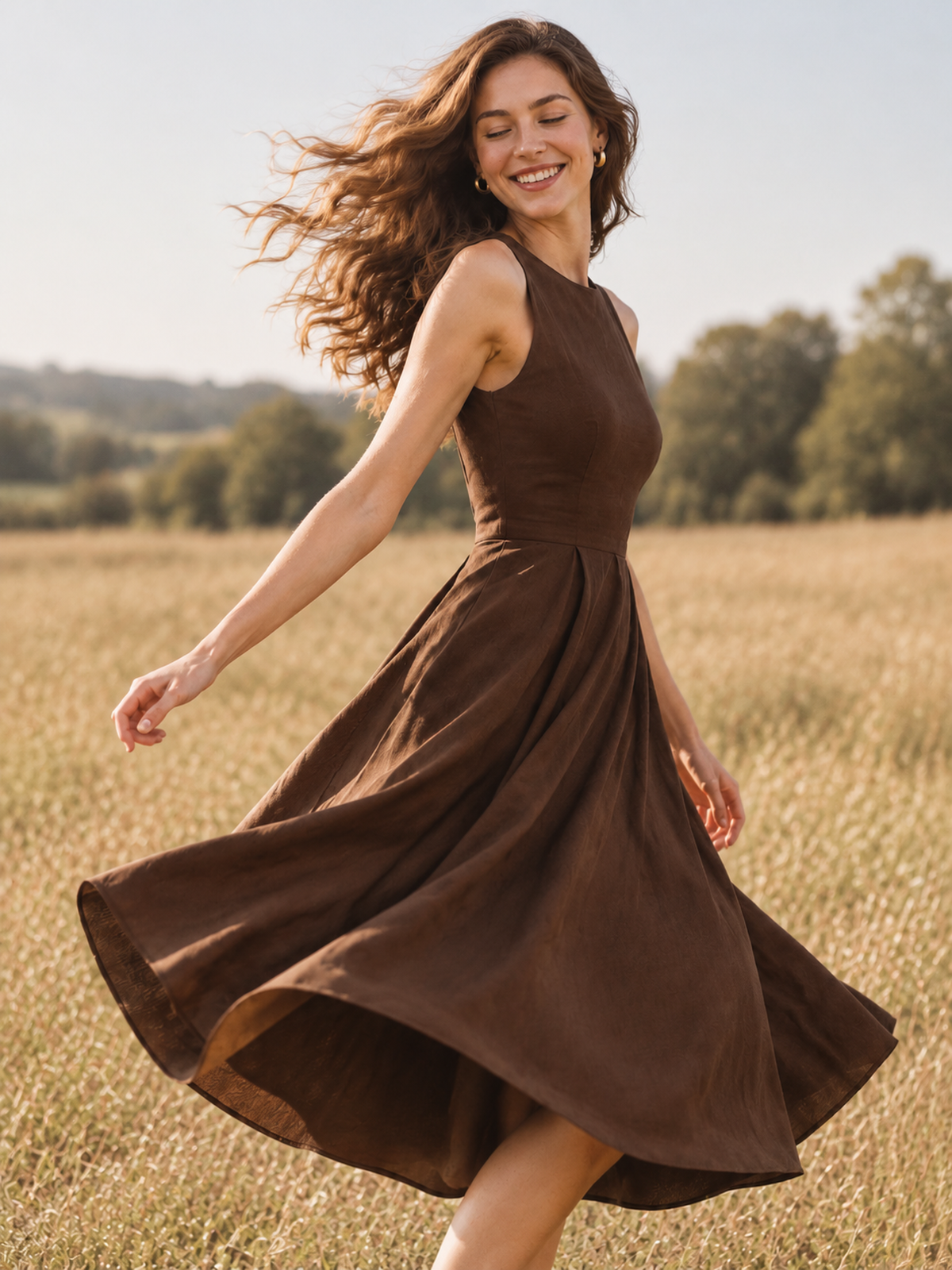
The chocolate midi answers the other half of the brief: a wrap waist that ties where it flatters and a skirt that moves a half-second after you do. There is also a collarless cream shirt-dress for days that begin in the garden and end at a table.
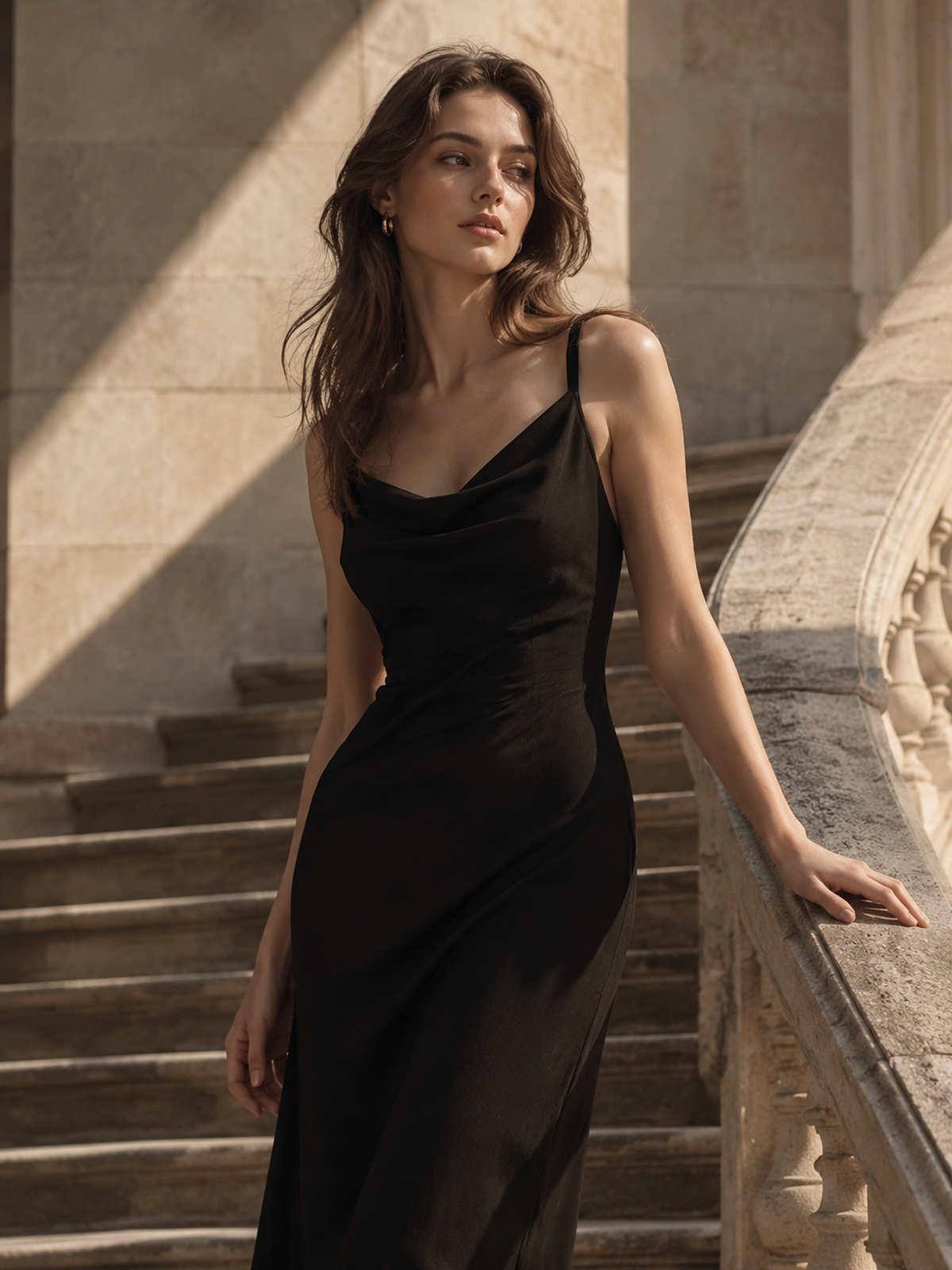
Both are cut for real movement and tested on a full studio day before they earn the rail — the staircase is the editor here.
Linen & cotton
Loose cream linen sets for airy rooms and long mornings. The linen is mid-weight Irish cloth that creases where it should and forgives where it must — a holiday fabric that behaves like clothing, not costume.
The set is a relaxed shirt and a drawstring trouser, sold separately and cut from the same bolt so they match without trying. Under it, cotton vest tops in the house cream, ribbed just enough to hold.
This edit lives at the clothing store — follow the link for the piece-by-piece listing while the house journal keeps the story.



Occasion
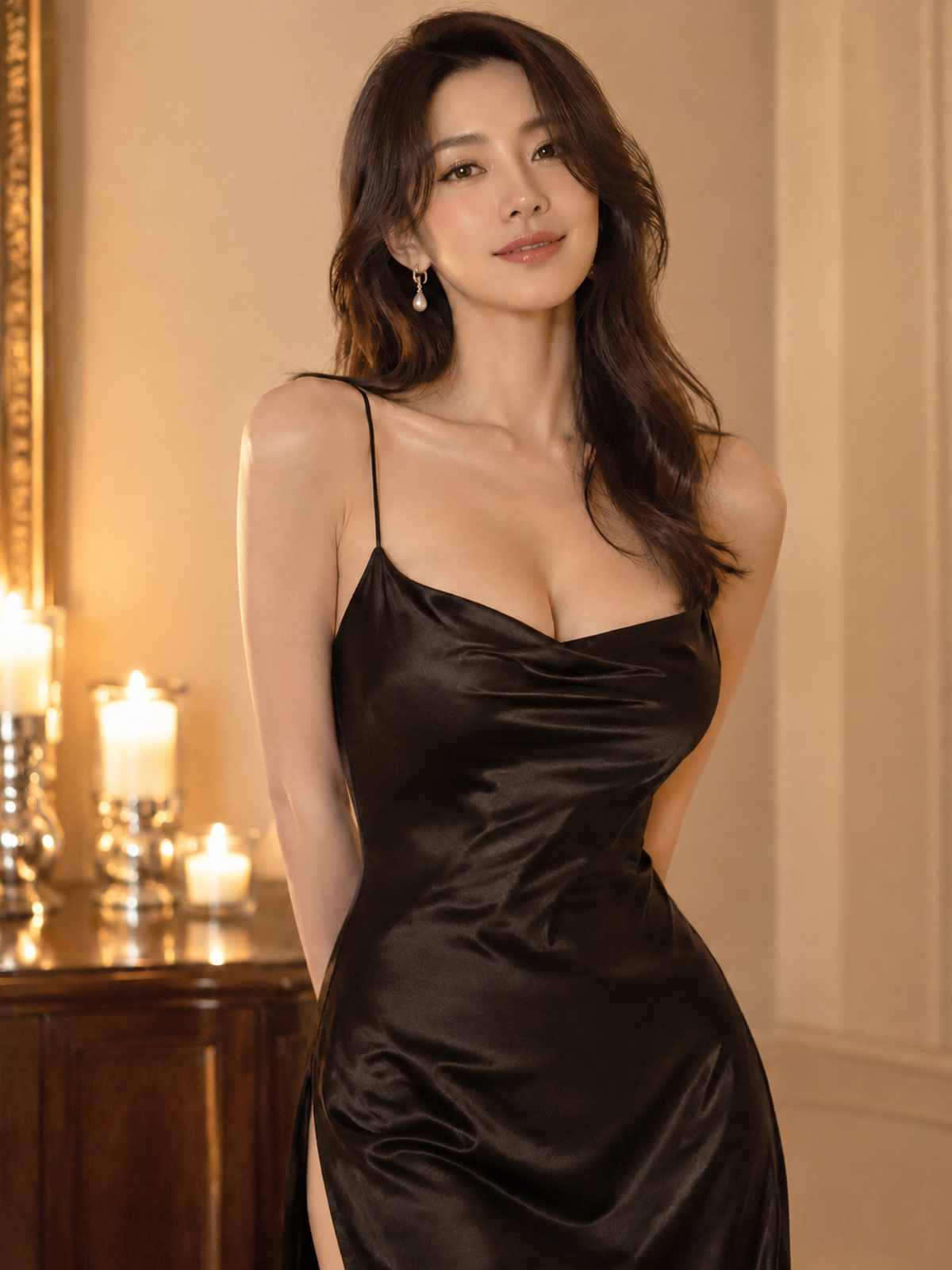
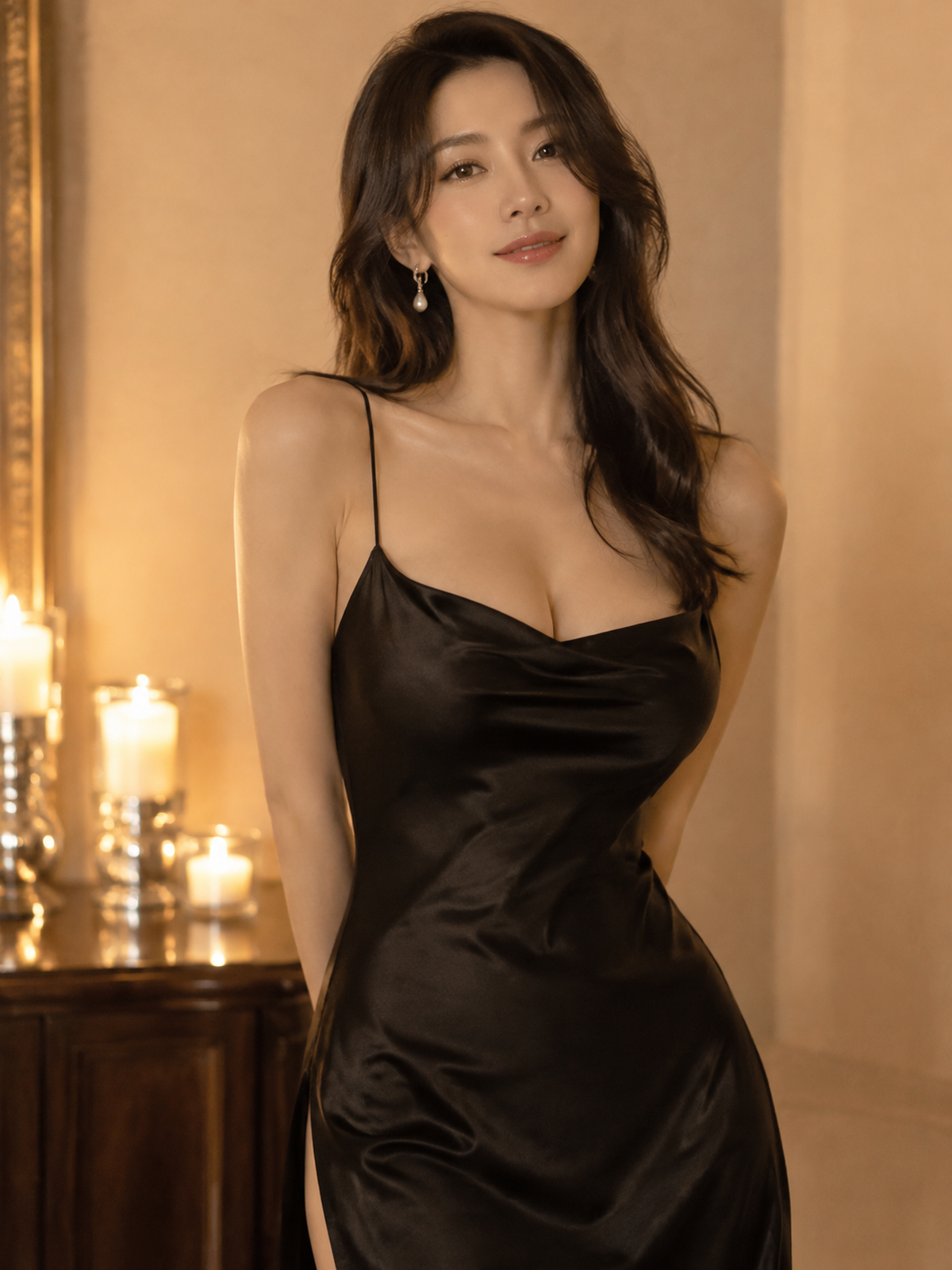
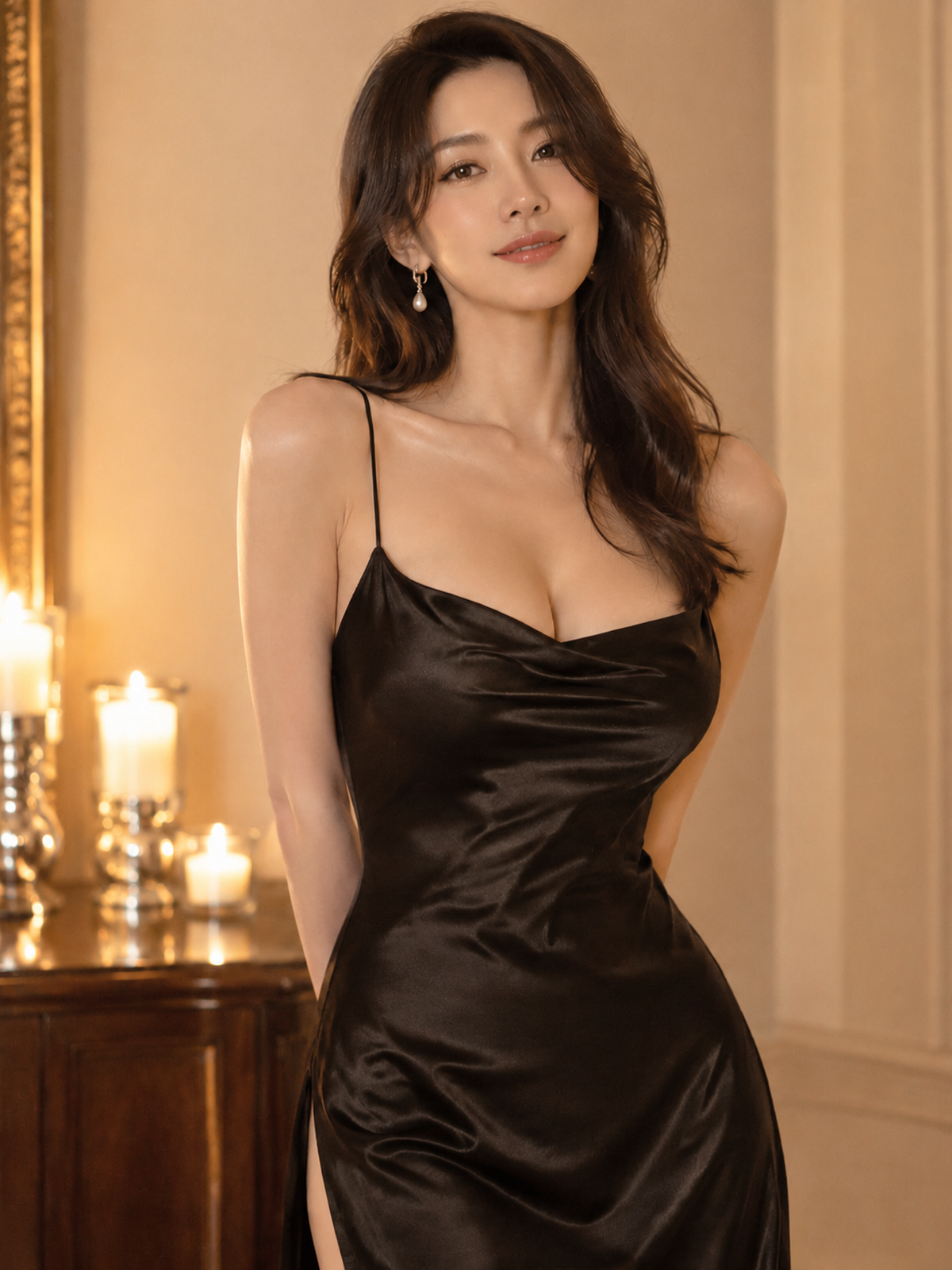
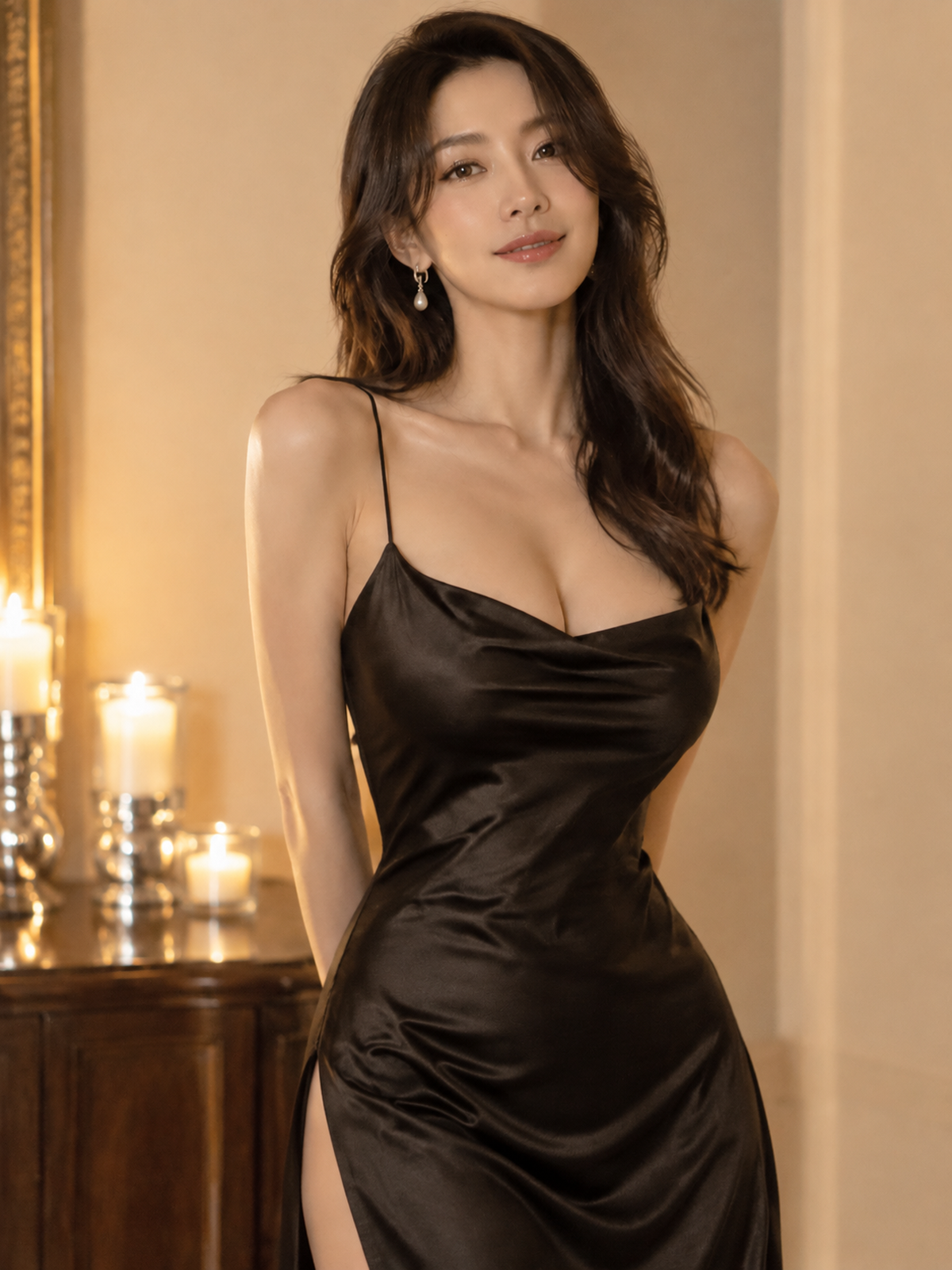
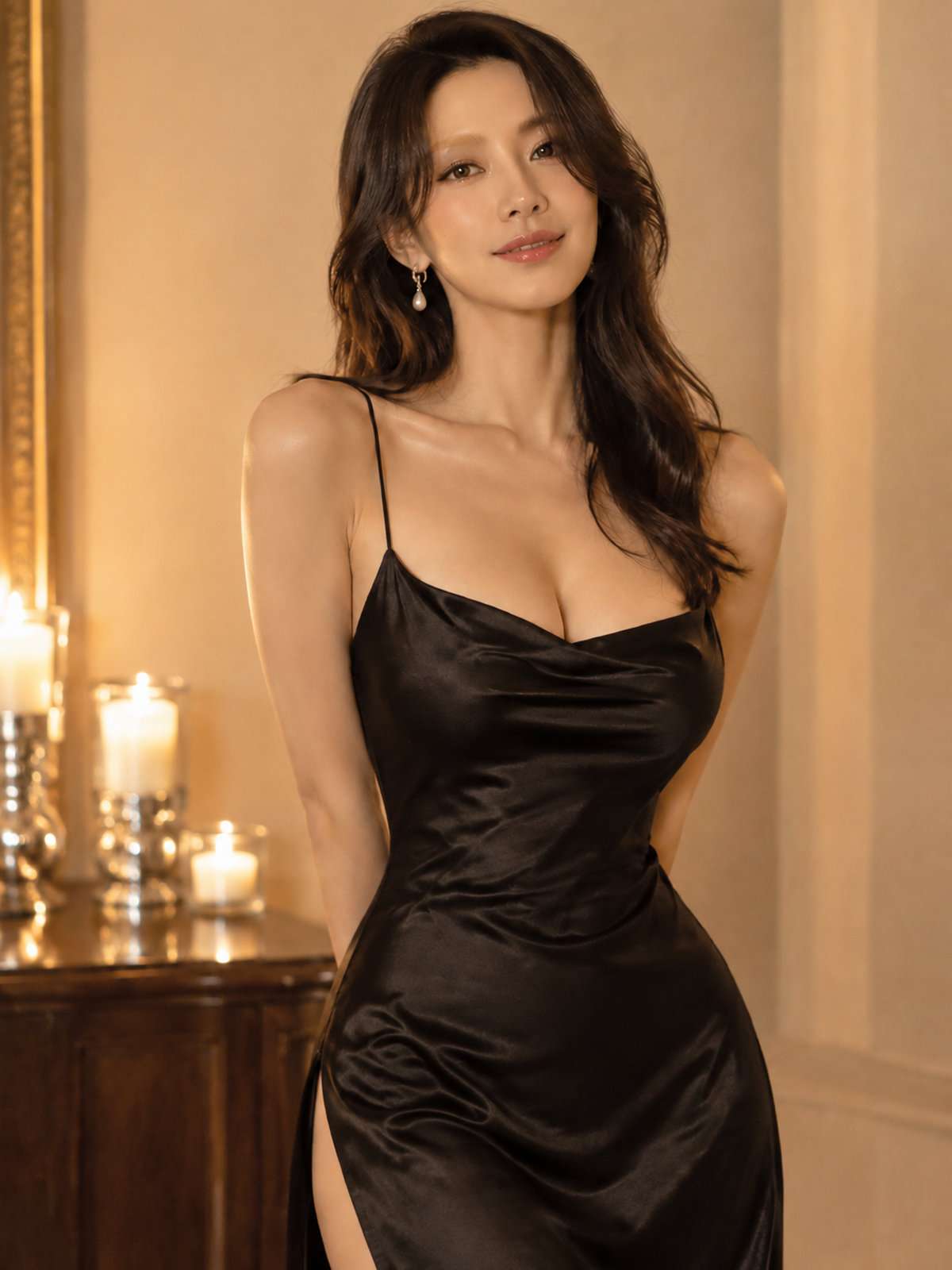
The one concession to ceremony. Black silk with a bias that catches candlelight the way satin should, cut mid-calf so it can walk home. Designed for the better invitations and photographed at the top of the hour, when the light goes amber.
Styling is deliberately spare: the brown leather bag, a cream scarf for the journey, nothing that needs explaining. The dress does the talking.
Full listing at the clothing store — sizes cut across a real range, as with every house piece.
Accessories
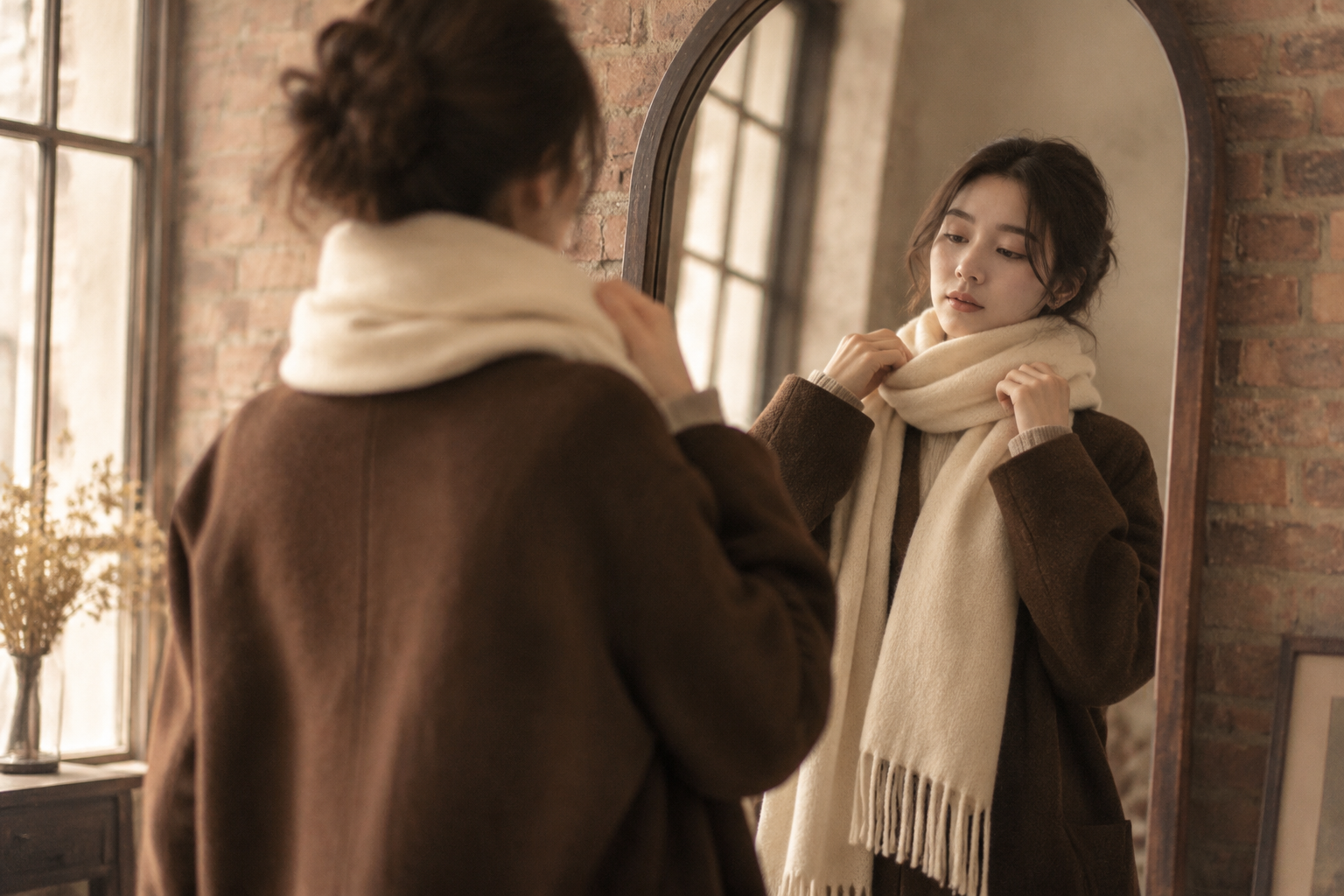
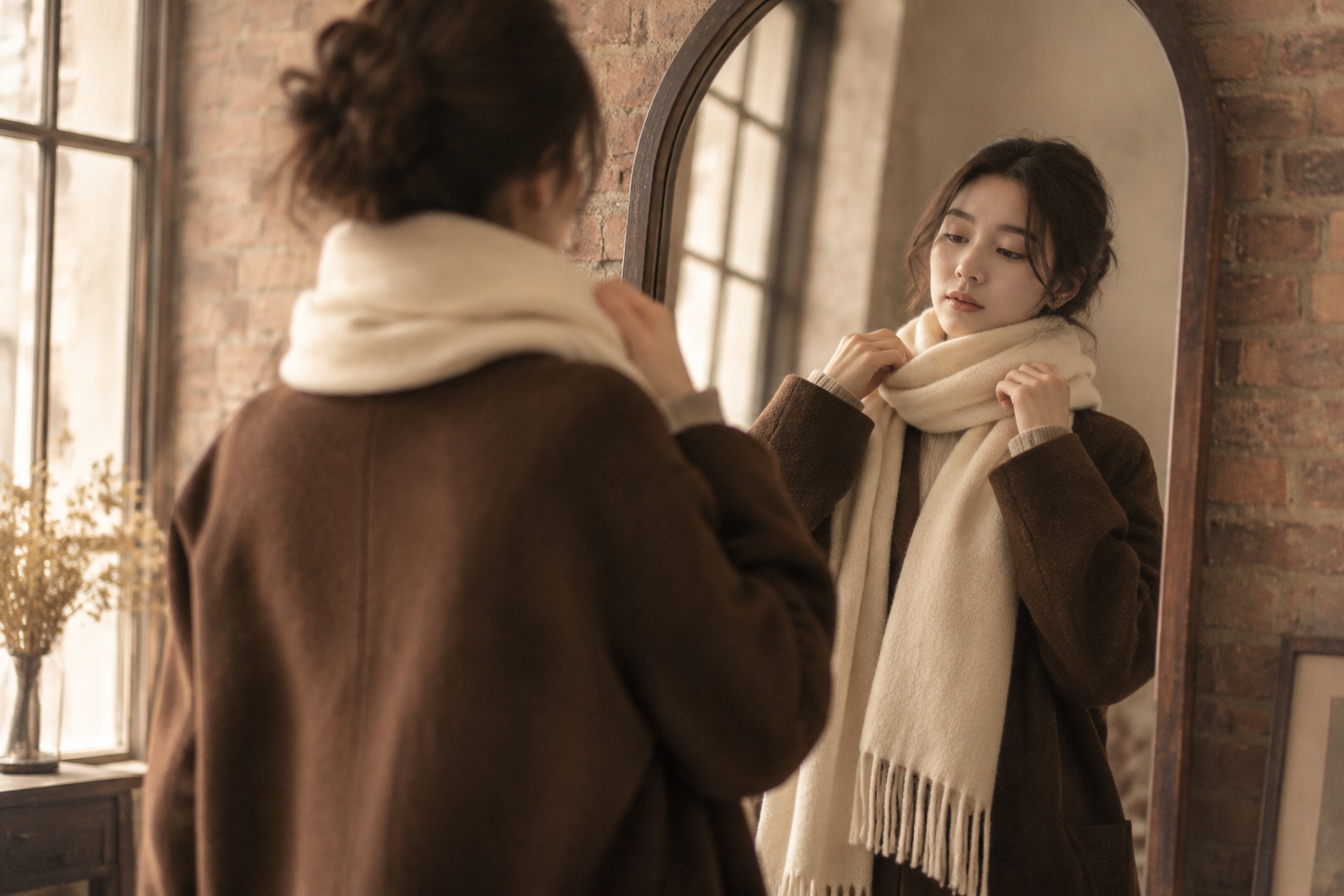
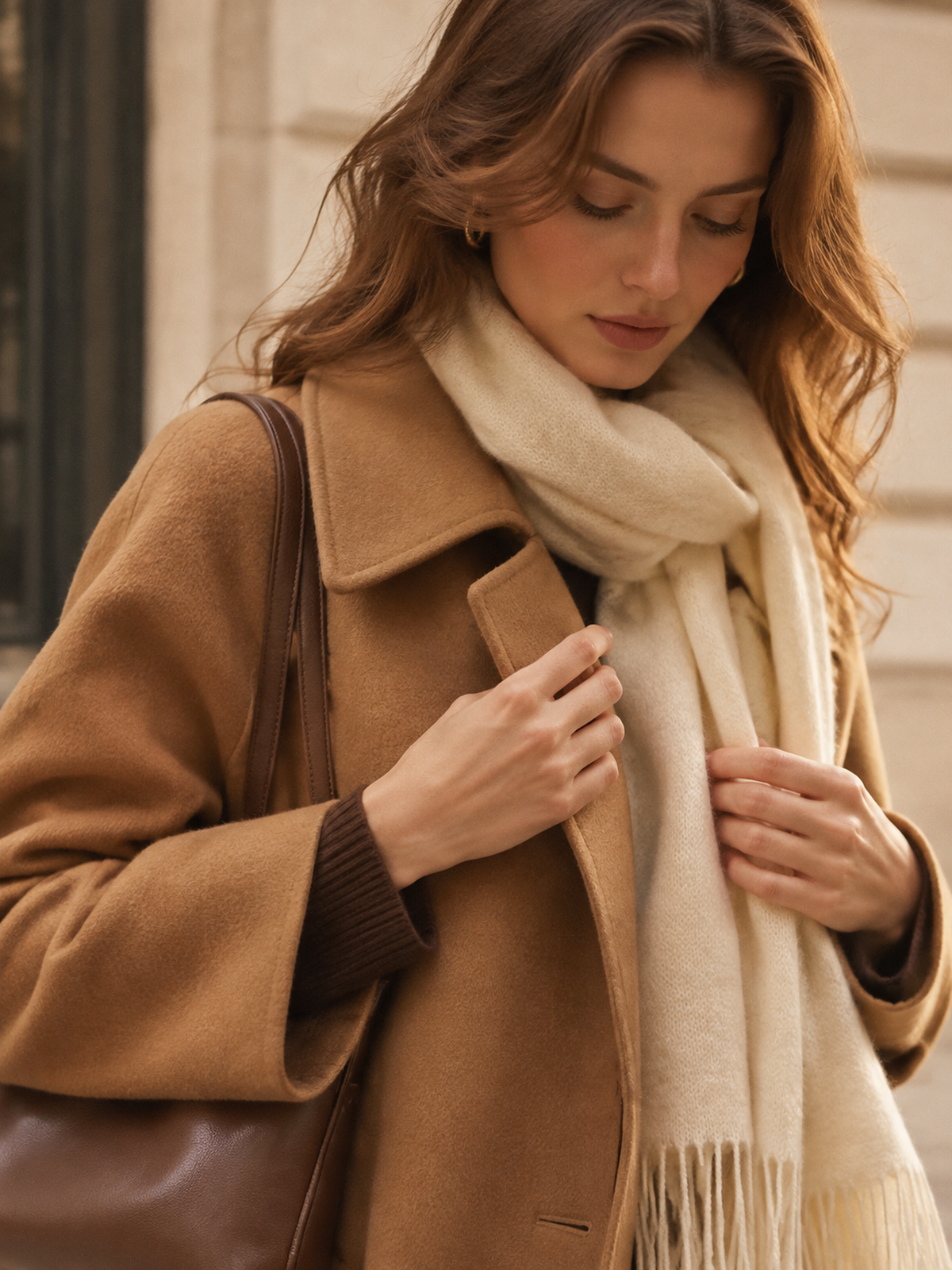
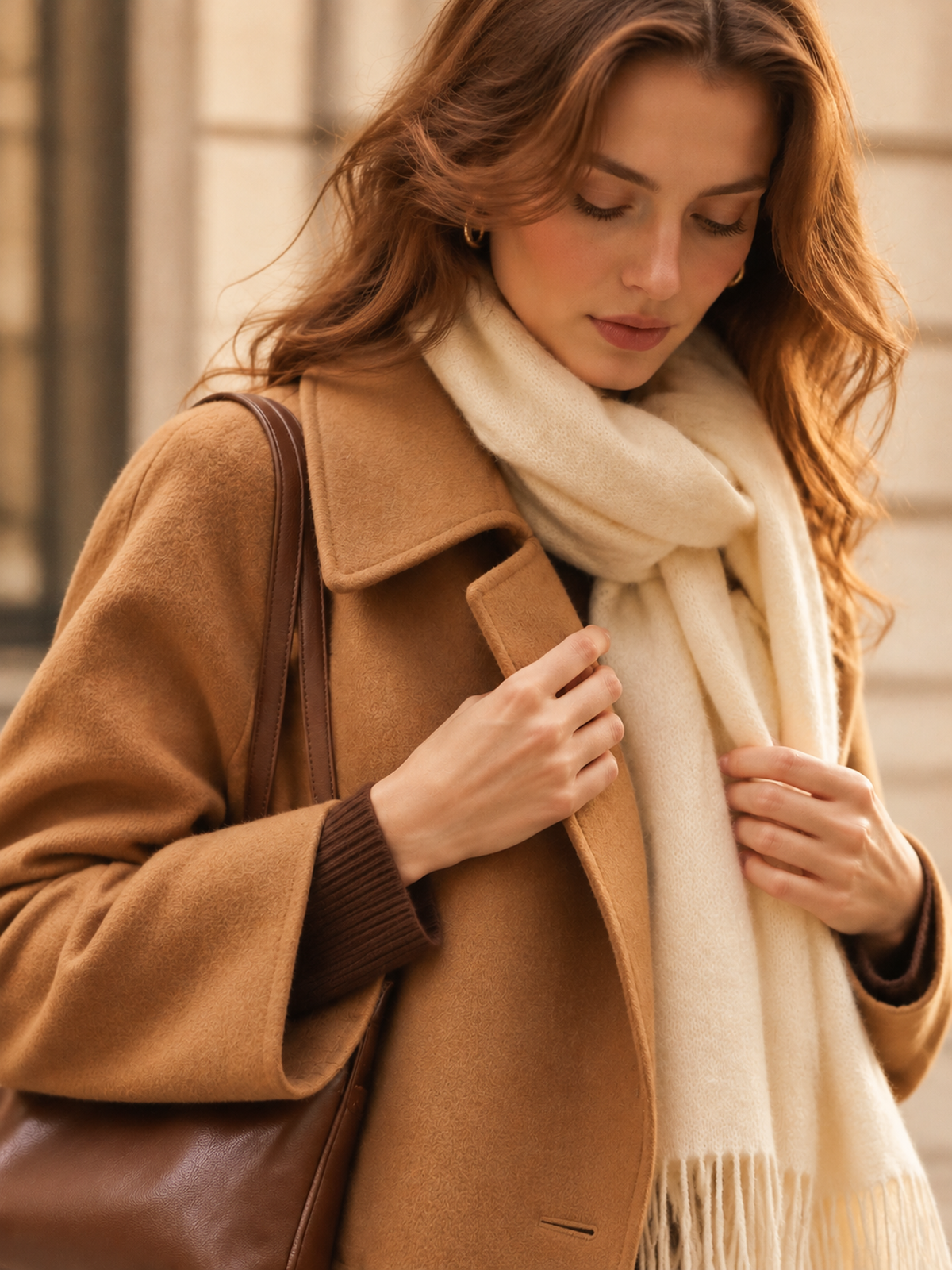
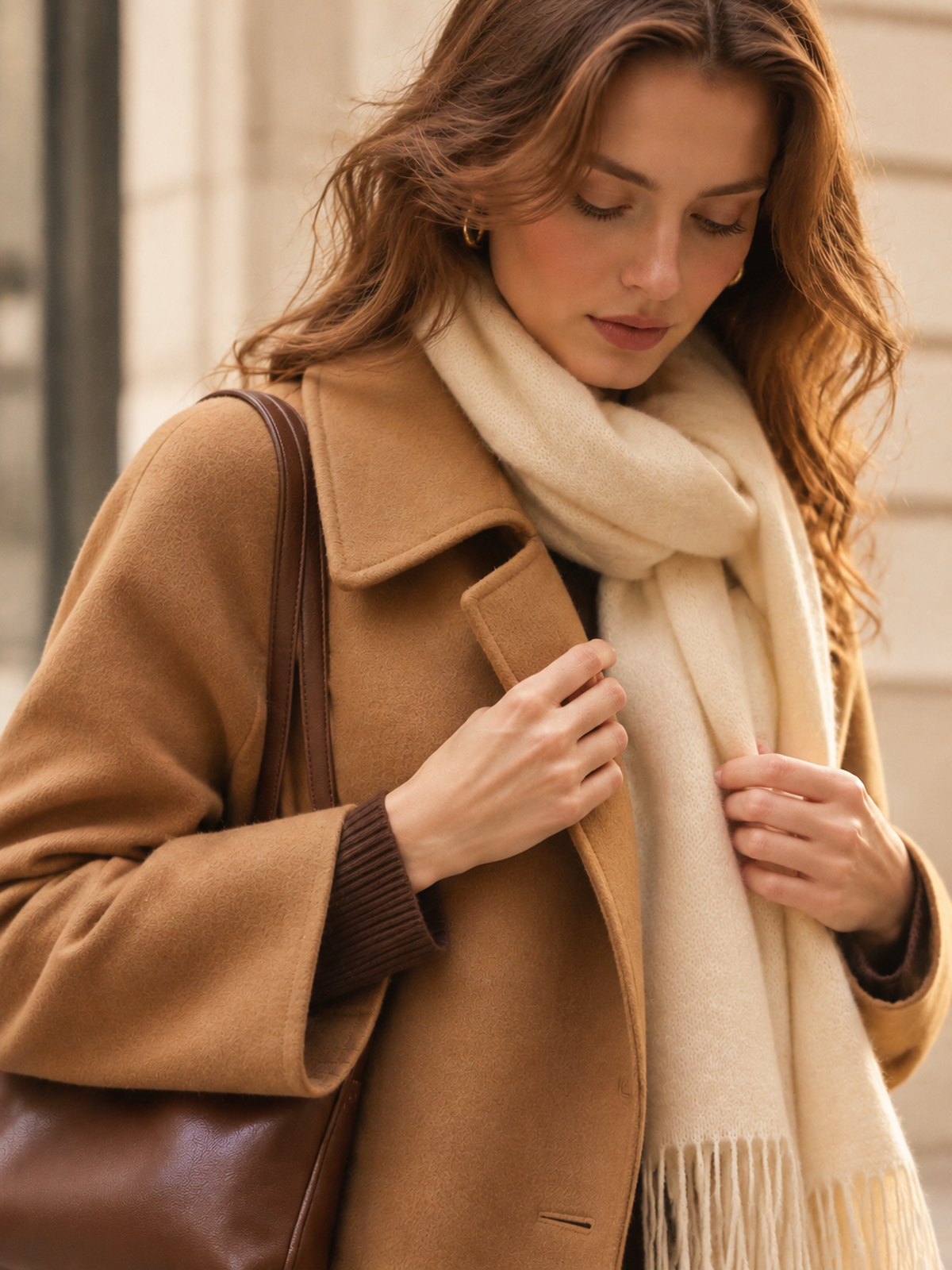
Scarves, belts and bags in the house palette — camel, chocolate, cream. Photographed being adjusted, not displayed, because you do not live in a still life.
The brown leather bag fits a laptop and a loaf without arguing. The cream scarf is wide enough to count as outerwear on the night bus. The belt is a single keeper, brass buckle, no logo.
Listed at the clothing store alongside the main edits.
The Atelier Edit
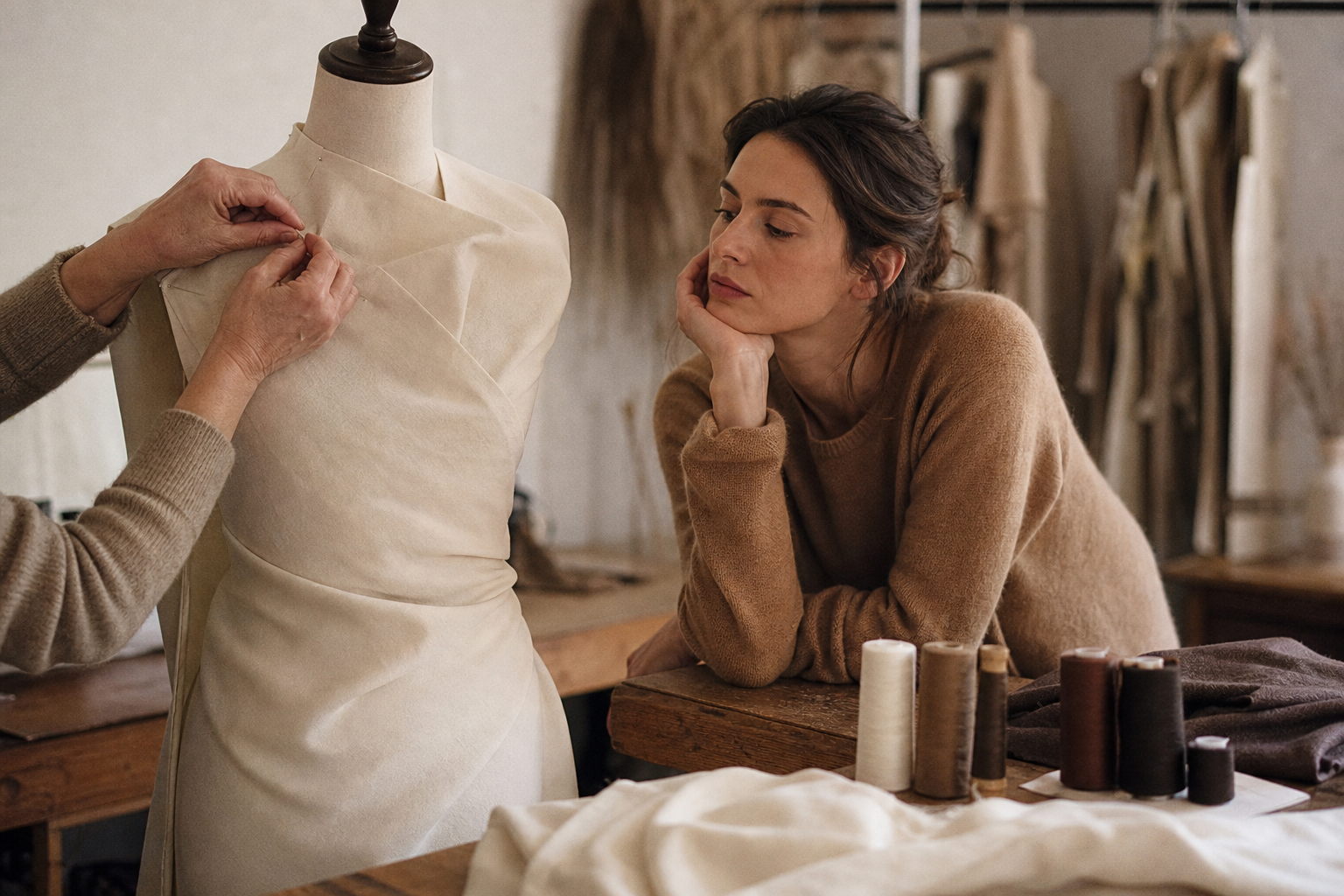
One-off and small-run pieces from the making room — the collar experiment that worked, the cloth bolt that only ran to eleven metres, the pattern argued into its final form.
These pieces are documented rather than advertised: each appears in the journal with its making notes, and each is sold first-come from the studio or the store.
If you like knowing why a seam sits where it sits, this is your edit — and Behind the Seams is your reading.